You have booked your flights. You have picked your camps. Now you are lying awake wondering what actually happens once you land. Will you be exhausted? Bored during the day? Rushed from one activity to the next?
Here is the honest version of a typical day on safari schedule, built from real Kenyan gate times and real camp routines, not a generic brochure day.
Before Sunrise: The Wake-Up Call and Light Bite
Most camps wake you between 5:30 and 6 a.m. A staff member knocks softly on your tent or door, sometimes with a tray of tea or coffee and a biscuit. This is not a full breakfast. It is just enough to get you into the vehicle before the animals move off with the cool air.
The early start is not tradition for its own sake. Predators hunt in the cooler hours, and grazing animals are most active at dawn. Miss this window and you miss the best sightings of the day.
The Morning Game Drive: Why Timing Depends on Where You Sleep
This is where Kenya gets interesting, because the rules are not the same everywhere.
Inside the Maasai Mara National Reserve itself, gates open at 6 a.m. and close at 6 p.m., set by the Narok County Council and the Mara Conservancy on the Mara Triangle side. Vehicles must stay on marked tracks, and off-road driving is not allowed.
Step into a private conservancy bordering the reserve, such as Mara North or Naboisho, and the rules loosen. These conservancies allow limited off-road driving to follow a hunt or a sighting, and some permit early night drives after dinner, something the main reserve never allows.
Up in Laikipia, conservancies like Ol Pejeta run on their own schedule too, with gates typically open from 6 a.m. to 7 p.m. and night drives with a spotlight permitted, since Ol Pejeta is private land, not a national reserve under KWS rules.
A morning drive usually runs three to four hours. Guides often stop partway for a flask of coffee and a stretch, sometimes with a simple bush breakfast of eggs, sausages, and fruit laid out on a folding table with a view. For more on how the two drives differ in pace and light, see our guide to morning vs afternoon game drives.
Back at Camp: Brunch and the Real Length of Your Midday Break
You will hear this called a rest period, and it is, but it is shorter than most websites suggest. By the time you drive back to camp, wash off the dust, and sit down to a late brunch, it is often past 11 a.m. Add in a shower and a change of clothes, and your actual free time before lunch or high tea shrinks to two hours, sometimes less.
That said, two hours is enough for a nap, a swim, or reading on your veranda while listening for hippos in a nearby river. Heat is real here too. Midday temperatures in the Mara commonly reach 27 to 30 degrees Celsius between December and March, which is exactly why camps build in this pause.
High Tea and the Second Game Drive
Around 3:30 to 4 p.m., camps serve tea, coffee, and small cakes or samosas. This is not just a nice touch. It fuels you for the second drive, since dinner is still hours away.
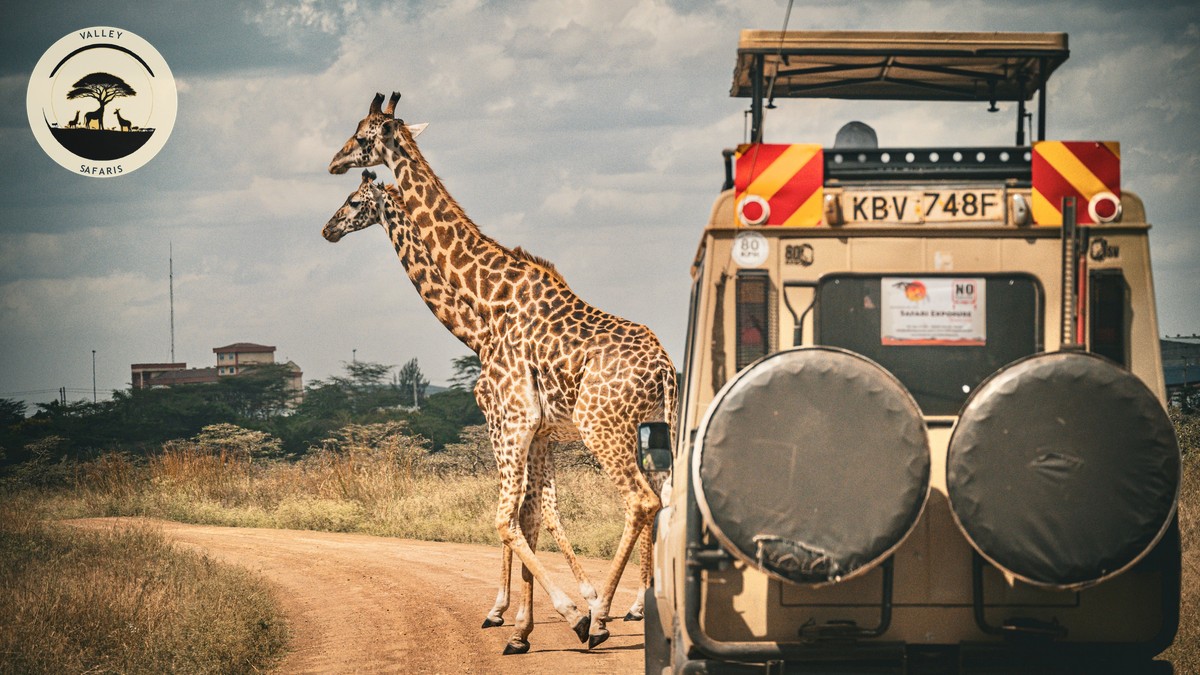
The afternoon drive sets out between 4 and 4:30 p.m. and runs until sunset, which falls close to 6:30 p.m. year round near the equator. Guides usually time the last stretch to end at a scenic spot for sundowners, drinks poured on the bonnet of the vehicle as the sky turns orange over the escarpment. If you are budgeting, it is worth checking whether sundowners and drinks are included in your safari price before you go, since this varies by camp and package.
Because reserve gates close at 6 p.m. in the Maasai Mara, vehicles inside the main reserve must be heading for an exit gate by then. Conservancy camps have more flexibility and can linger a little longer.
Sundowners, Dinner, and the Sounds of the Bush at Night
Back at camp by around 7:30 p.m., you will usually have time to freshen up before dinner, served between 7:30 and 8:30 p.m. depending on the camp. Many lodges gather guests around a fire first, swapping stories about the day’s sightings.
Dinner itself ranges from a three-course plated meal at a fixed table to a communal bush dinner lit by lanterns. After that, most guests are in bed by 9:30 or 10 p.m. They are often escorted by an armed ranger or guide, since camps are unfenced and animals do pass through at night. Do not be surprised if you hear hyenas whooping or a lion calling from somewhere out in the dark. That is normal, and part of why people fall in love with this experience.
Arrival Day and Departure Day Look Nothing Like a Full Safari Day
The first and last days of your trip rarely follow this rhythm. Arrival day usually means a flight from Nairobi’s Wilson Airport, a 45 minute hop to an airstrip like Keekorok or Ol Kiombo in the Mara. From there, a scenic game drive takes you to camp instead of a formal one. You arrive in time for lunch or afternoon tea, not a 5:30 a.m. wake-up.
Departure day is the reverse. You might squeeze in a short sunrise drive before packing, since afternoon flights back to Nairobi are common. If your itinerary includes several camps, this arrival-and-departure rhythm repeats each time you move. That is one reason we talk clients through how many nights to spend at each camp before booking, so the trip does not feel like constant transit.
Fly-In Mobile Camp vs Road Safari Lodge: How the Typical Day on Safari Schedule Changes
The schedule above bends depending on where you stay. Here is how a fly-in mobile camp in a Mara conservancy compares with a road-based lodge safari in Amboseli, and with a Laikipia conservancy stay.
| Detail | Mobile Camp, Mara Conservancy (e.g. Mara North) | Lodge Safari, Amboseli National Park | Conservancy Stay, Laikipia (e.g. Ol Pejeta) |
|---|---|---|---|
| Wake-up call | 5:30 a.m. | 6:00 a.m. | 5:45 a.m. |
| Gate or curfew rule | No fixed public gate, night drives allowed | Park gates open 6 a.m., close 6:30 p.m. (KWS rule) | Gates 6 a.m. to 7 p.m., night drives with spotlight allowed |
| Morning drive length | 3 to 4 hours, off-road allowed | 3 hours, on-track only | 3 to 4 hours |
| Conservation fee, non-resident adult per day | Around USD 100 (conservancy fee) | Around USD 60 (KWS Amboseli fee) | Around USD 90 (conservancy fee) |
| Transfer from Nairobi | 45 min flight, Wilson Airport to a Mara airstrip, or 270 km / 5 to 6 hrs by road | 240 km / about 4 hrs by road, or a short flight to Empusel airstrip | 200 km / about 3.5 hrs by road to Nanyuki, plus a 30 min transfer |
Fees above are indicative ranges and change from year to year, so always confirm current rates when booking.
Can You Change the Schedule, or Skip a Drive?
Yes, and a good camp expects you to ask. If you are traveling with young children, recovering from a long flight, or simply want a slow morning, tell your guide the night before. Most camps will happily serve breakfast late and let you join a shorter drive instead.
Skipping a drive costs you nothing except the sighting you might have had. There is no penalty, though some remote mobile camps have less flexibility with meal timing since everything is cooked over a fire for the whole group.
The Valley Safaris Difference
Plenty of operators can hand you a printed itinerary with times on it. What we do differently is build the schedule around the actual gate rules and drive distances of the specific parks and conservancies you are visiting, not a copy-pasted template.
Our guides also know which conservancies allow a relaxed pace. If you want a slower morning after a long flight from Nairobi or overseas, we plan for it rather than forcing an ambitious schedule that leaves you tired by day two. When a guest mentioned wanting a quiet moment away from the group, our guide arranged a private sunset picnic on a ridge overlooking the Mara river. That kind of moment only happens when the schedule has enough breathing room built in.
Quick Answers to Common Questions
What time do you wake up on safari? Usually 5:30 to 6 a.m., with tea or coffee brought to your tent.
How many game drives are there per day? Typically two, one in the morning and one in the afternoon.
How long does a game drive last? Around three to four hours, longer if you find good sightings.
What meals are included? Most full-board packages include an early snack, brunch, high tea, and dinner, plus lunch on days without an afternoon drive.
Is there free time? Yes, usually a two to three hour window at midday for resting, swimming, or napping.
Do all camps follow the same schedule? No. National reserves like the Maasai Mara have fixed gate hours, while private conservancies in the Mara and Laikipia allow more flexibility, including night drives.
Is a full day on safari tiring? It can be, especially with early starts and heat. Build in at least one lighter day if your trip runs longer than four nights.
Plan Your Days in Kenya With Us
If you want a daily schedule built around the real parks and conservancies on your list, not a generic template, we would love to help you map it out. Have a look at our Kenya safari tours or get in touch through our contact page to start planning your trip.